Column · @rooflinejournal
How to Find the Source of a Roof Leak Before It Worsens
Water dripping from the ceiling or a dark patch spreading across the wall can feel alarming, especially during heavy rain. Many homeowners assume the worst and call for emergency roof repair before they have a clear picture of the problem. But in most cases, the leak itself is a clue, and following it carefully can save time and money. Understanding where the water enters and how it travels is the first step toward a lasting fix. This article walks through the practical steps to locate the source of a roof leak, what to look for at each stage, and when to step back and call a professional.
Start Inside: Follow the Water Trail
The best place to begin is inside the house, directly under the stain or drip. Head to the attic or the highest accessible crawl space with a flashlight and a dry rag. Look for the highest point where moisture appears on the wood or insulation. Water often runs along rafters, trusses, or the underside of the roof deck before it drips down through drywall or ceiling tiles. A small wet patch on the ceiling might actually be several feet away from the actual entry point. Trace the trail upward and sideways until you find the first sign of dampness on the underside of the roof sheathing. That is where the leak starts.
While you are up there, check the attic insulation. Wet or compressed insulation loses its thermal value and can hide moisture that promotes mold. If the insulation feels damp or smells musty, you have found a secondary problem that needs attention. Make a mental note of the area: roughly where on the roof slope does this correspond to? That will guide your exterior inspection.
Inspect the Roof Surface: Look for Common Trouble Spots
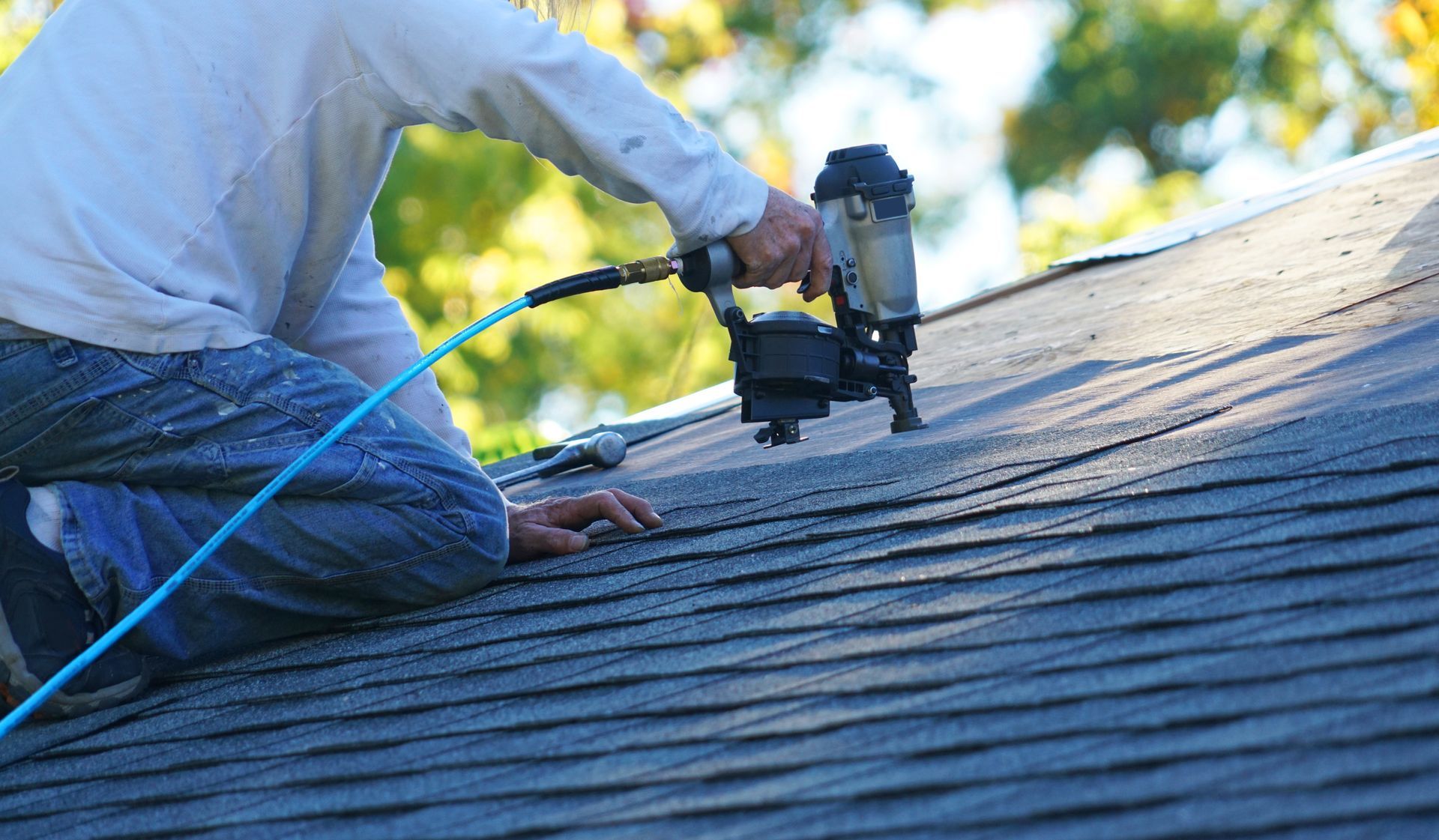
Once you have an idea of the interior location, move outside and examine the roof from ground level first. Use binoculars if you can, but a careful walk around the house with a ladder will give a better look. Focus on the following areas, which account for the vast majority of leaks:
- Roof flashing around chimneys, skylights, vents, and plumbing stacks. Flashing is the metal or rubber material that seals the gap between the roof and the penetration. Over time, the sealant cracks, the metal pulls away, or the rubber dries out. A small gap here can let in a surprising amount of stormwater.
- Drip edge and gutters. The drip edge is the metal strip along the eaves that directs water into the gutter. If it is bent, rusted, or missing, water can run backward under the shingles. Clogged gutters can also force water up under the shingles, especially during heavy rain.
- Shingles or tiles near valleys and ridges. Valleys are the V-shaped channels where two roof slopes meet. Debris piles up there, trapping moisture. Ridge caps can loosen over time, letting water seep in at the peak.
If you spot any damaged or missing shingles, note their location. A single cracked shingle might not cause a leak immediately, but it weakens the underlayment beneath, which is the waterproof membrane that sits between the shingles and the roof deck. Once the underlayment is exposed, a leak can develop quickly during the next storm.
Check Roof Penetrations: Antennas, Pipes, and Skylights
Any object that pierces the roof surface is a potential leak point. Roof penetrations include satellite dishes, vent pipes, exhaust fans, and skylights. The flashing around these items is often the weak link. Look for cracked or missing caulk, rust spots, or gaps where the flashing meets the roof. If the seal looks old or brittle, it is likely failing. A simple test during a dry day: pour a bucket of water over the penetration while someone watches the attic ceiling for drips. This can confirm the source without waiting for rain.
When the Leak Appears Only During Heavy Rain
Some leaks only show up during a downpour. That often points to wind-driven rain finding a gap that light rain does not exploit. It could also mean the problem is related to stormwater backing up in a gutter or downspout. Check the gutters for blockages, especially at the downspout openings. Leaves, moss, and debris can form a dam that sends water sideways under the shingles. In these cases, the leak source might not be a hole in the roof at all, but a drainage issue that allows water to travel laterally before entering the structure.
If the leak appears in the same spot every time it rains hard, and you have ruled out gutters and flashings, the underlayment may have a tear or a seam failure. This is more common on older roofs or after a severe storm. The phrase roof repairs after storm damage often includes replacing damaged underlayment and re-sealing penetrations that were stressed by high winds or flying debris. A professional inspection can determine whether the underlayment is intact or needs replacement.
Distinguishing a Roof Leak from Condensation
Not every damp spot on the ceiling is a roof leak. In cold weather, warm moist air from the living space can condense on the cold underside of the roof deck, especially in attics with poor ventilation. The result looks exactly like a leak: water droplets form on the nails or plywood and drip down. If your attic is not well vented, or if bathroom and kitchen exhaust fans vent into the attic space, condensation can mimic a leak. Check for proper attic ventilation and make sure exhaust fans direct moisture outside. If the problem disappears when you improve airflow, it was never a roof leak at all.
When to Call a Professional
Some leaks are straightforward and can be fixed by a competent homeowner with a tube of roofing sealant and a few new shingles. But many situations call for experience and safety gear. If the roof pitch is steep, if the leak is near a chimney or a skylight, or if you suspect the underlayment is compromised, it is wise to call a roofer. Emergency roof repair is not always about replacing the whole roof; often it involves a targeted fix to flashing, a penetration, or a valley. A professional can also spot hidden damage that might not be visible from the attic or the ground.
For property owners in Northern Florida, where storms are common, the phrase roof repairs after storm damage applies to many situations. After a hurricane or a severe thunderstorm, even a roof that looks intact may have loose shingles, shifted flashing, or compromised underlayment. A thorough inspection by a qualified contractor can catch these issues before they turn into interior water damage.

READY ROOFING, LLC is also on Facebook.
Ready Roofing, LLC, located at 5105 Philips Hwy Ste 205, Jacksonville, FL 32207, USA, provides residential and commercial roof repairs, replacements, inspections, and storm damage restoration across Northern Florida and can be reached at +1 904-404-9849 for an assessment.